> ## Documentation Index
> Fetch the complete documentation index at: https://docs.openfuturecoalition.org/llms.txt
> Use this file to discover all available pages before exploring further.
# About the Platform
> Open Future Coalition's Open Impact Platform
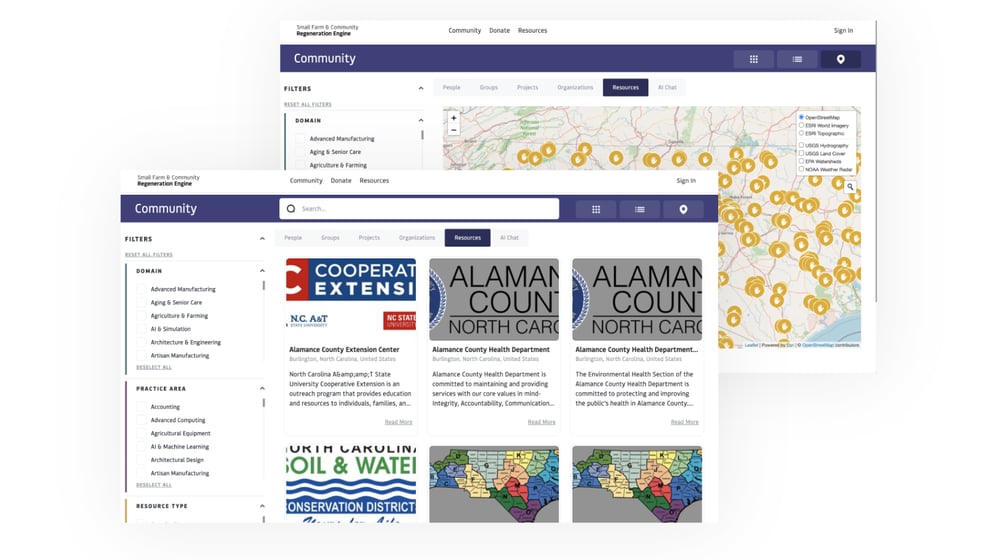 The Open Impact platform was developed to support practitioners and networks coordinating complex social and ecological initiatives across multiple locations, organizations, and stakeholders. These initiatives often include activities such as farmer cooperatives coordinating market access, landscape-scale ecological restoration projects, or community-led resilience efforts.
In many cases, the leaders advancing these solutions already possess deep knowledge and effective practices. However, they often lack access to integrated tools that allow them to coordinate work, document outcomes, share knowledge, and communicate impact efficiently.
Open Future Coalition operates from the premise that the primary barrier to solving many global challenges is not a lack of innovation, but a lack of access to infrastructure that enables existing solutions to scale and coordinate effectively. The Open Impact platform was created to help address this gap by providing shared technical infrastructure that supports collaboration, documentation, measurement, and resourcing of community-rooted solutions.
The platform combines several capabilities typically spread across multiple software systems—such as communication tools, knowledge repositories, project coordination systems, and reporting tools—into a single integrated environment. This reduces administrative overhead and allows practitioners to focus more time on the work itself rather than on managing fragmented systems.
A key principle behind the platform is democratizing access to tools that are often only available to large enterprises. Systems similar to enterprise resource planning (ERP) platforms are commonly used in corporate supply chains but are rarely accessible to grassroots organizations or distributed community networks. Open Impact adapts this type of infrastructure for use by cooperatives, community organizations, field researchers, and multi-site programs.
# The platform supports
through shared community spaces, calendars, news feeds, and discussion tools
and documentation (files, templates, training materials, and toolkits)
for storytelling and decision-making
and multi-site workflow management
Together, these capabilities help networks coordinate their work while ensuring that knowledge, data, and lessons learned remain visible and usable over time.
# **Background**
Open Impact was developed in response to recurring operational challenges faced by organizations coordinating complex, multi-site initiatives. Across sectors—from regenerative agriculture and ecological restoration to community resilience programs—many organizations operate through distributed teams, regional chapters, or multiple project sites. In these environments, several structural challenges consistently emerge:
Organizations frequently rely on separate platforms for communication, reporting, project coordination, resource sharing, and training. As programs expand across multiple teams or locations, this patchwork of systems becomes difficult to manage. Information is often scattered across platforms, important knowledge can be lost over time, and teams spend significant effort simply maintaining coordination.
Many organizations face extensive reporting obligations to philanthropic funders, public agencies, or partners. These processes often require gathering data separately from the work itself—forcing teams to reconstruct information after the fact rather than capturing it naturally during program implementation.
Large corporations commonly use sophisticated enterprise systems to manage complex supply chains and distributed operations. In contrast, grassroots organizations and community networks rarely have access to comparable infrastructure, even when coordinating work of similar complexity across many actors and locations.
Organizations working in distributed environments often generate valuable insights through experimentation and practice in the field. However, these learnings are frequently siloed within individual teams, projects, or conversations. Important discussions may happen in private channels or across disconnected platforms, limiting the ability of networks to build on each other's experience.
Over time, this fragmentation can slow collective progress. Lessons learned in one region or project site may never reach others facing similar challenges, and valuable practices may remain undocumented or difficult to replicate.
As new environmental and social markets emerge—such as carbon or ecosystem service markets—data collection and verification are becoming increasingly central to economic participation. Many existing systems rely on top-down verification processes, leaving communities with limited control over the data that describes their own work and landscapes.
Open Impact was designed in part to support distributed data collection and peer validation, enabling practitioners to gather and manage their own data where possible.
# **Design Principles**
These challenges informed several core design principles that shape the architecture of the Open Impact platform.
Coordination, knowledge sharing, documentation, and reporting should function together within a single environment rather than being spread across disconnected tools.
Information about program activities and outcomes should be gathered naturally during the work itself, reducing the need for separate reporting exercises.
Organizations coordinating community-led initiatives should have access to technical systems capable of supporting complex, multi-site collaboration.
Practitioners should be able to collect, manage, and interpret the data generated by their work, helping ensure that data systems strengthen rather than extract from local initiatives.
Tools should support the documentation and sharing of insights generated through real-world practice. By capturing field-level observations, refining workflows and templates over time, and enabling peer learning across networks, organizations can continuously improve their approaches while adapting practices to different local contexts.
The platform is designed to evolve through real-world use rather than being developed entirely in abstraction. Many of its features have emerged through collaboration with practitioners and networks using the platform in active programs and field initiatives. Programmatic use cases help surface new needs, inform improvements to workflows and reporting tools, and guide the ongoing development of the platform’s capabilities.
Together, these principles shaped the development of the Open Impact platform as shared infrastructure for coordination, documentation, and learning across distributed networks.
# Case Studies
Organizations use the Open Impact platform across a range of contexts where coordination, documentation, and shared learning are critical.
Across these contexts, the platform serves as shared infrastructure that helps practitioners coordinate work, document impact, and build collective knowledge over time.
### **Regional food and agriculture networks**
Farmer cooperatives and food system initiatives use the platform to coordinate production planning, training programs, and shared infrastructure across multiple producers and regions. The platform supports workflow coordination while documenting program outcomes and market participation.
The Open Impact platform was developed to support practitioners and networks coordinating complex social and ecological initiatives across multiple locations, organizations, and stakeholders. These initiatives often include activities such as farmer cooperatives coordinating market access, landscape-scale ecological restoration projects, or community-led resilience efforts.
In many cases, the leaders advancing these solutions already possess deep knowledge and effective practices. However, they often lack access to integrated tools that allow them to coordinate work, document outcomes, share knowledge, and communicate impact efficiently.
Open Future Coalition operates from the premise that the primary barrier to solving many global challenges is not a lack of innovation, but a lack of access to infrastructure that enables existing solutions to scale and coordinate effectively. The Open Impact platform was created to help address this gap by providing shared technical infrastructure that supports collaboration, documentation, measurement, and resourcing of community-rooted solutions.
The platform combines several capabilities typically spread across multiple software systems—such as communication tools, knowledge repositories, project coordination systems, and reporting tools—into a single integrated environment. This reduces administrative overhead and allows practitioners to focus more time on the work itself rather than on managing fragmented systems.
A key principle behind the platform is democratizing access to tools that are often only available to large enterprises. Systems similar to enterprise resource planning (ERP) platforms are commonly used in corporate supply chains but are rarely accessible to grassroots organizations or distributed community networks. Open Impact adapts this type of infrastructure for use by cooperatives, community organizations, field researchers, and multi-site programs.
# The platform supports
through shared community spaces, calendars, news feeds, and discussion tools
and documentation (files, templates, training materials, and toolkits)
for storytelling and decision-making
and multi-site workflow management
Together, these capabilities help networks coordinate their work while ensuring that knowledge, data, and lessons learned remain visible and usable over time.
# **Background**
Open Impact was developed in response to recurring operational challenges faced by organizations coordinating complex, multi-site initiatives. Across sectors—from regenerative agriculture and ecological restoration to community resilience programs—many organizations operate through distributed teams, regional chapters, or multiple project sites. In these environments, several structural challenges consistently emerge:
Organizations frequently rely on separate platforms for communication, reporting, project coordination, resource sharing, and training. As programs expand across multiple teams or locations, this patchwork of systems becomes difficult to manage. Information is often scattered across platforms, important knowledge can be lost over time, and teams spend significant effort simply maintaining coordination.
Many organizations face extensive reporting obligations to philanthropic funders, public agencies, or partners. These processes often require gathering data separately from the work itself—forcing teams to reconstruct information after the fact rather than capturing it naturally during program implementation.
Large corporations commonly use sophisticated enterprise systems to manage complex supply chains and distributed operations. In contrast, grassroots organizations and community networks rarely have access to comparable infrastructure, even when coordinating work of similar complexity across many actors and locations.
Organizations working in distributed environments often generate valuable insights through experimentation and practice in the field. However, these learnings are frequently siloed within individual teams, projects, or conversations. Important discussions may happen in private channels or across disconnected platforms, limiting the ability of networks to build on each other's experience.
Over time, this fragmentation can slow collective progress. Lessons learned in one region or project site may never reach others facing similar challenges, and valuable practices may remain undocumented or difficult to replicate.
As new environmental and social markets emerge—such as carbon or ecosystem service markets—data collection and verification are becoming increasingly central to economic participation. Many existing systems rely on top-down verification processes, leaving communities with limited control over the data that describes their own work and landscapes.
Open Impact was designed in part to support distributed data collection and peer validation, enabling practitioners to gather and manage their own data where possible.
# **Design Principles**
These challenges informed several core design principles that shape the architecture of the Open Impact platform.
Coordination, knowledge sharing, documentation, and reporting should function together within a single environment rather than being spread across disconnected tools.
Information about program activities and outcomes should be gathered naturally during the work itself, reducing the need for separate reporting exercises.
Organizations coordinating community-led initiatives should have access to technical systems capable of supporting complex, multi-site collaboration.
Practitioners should be able to collect, manage, and interpret the data generated by their work, helping ensure that data systems strengthen rather than extract from local initiatives.
Tools should support the documentation and sharing of insights generated through real-world practice. By capturing field-level observations, refining workflows and templates over time, and enabling peer learning across networks, organizations can continuously improve their approaches while adapting practices to different local contexts.
The platform is designed to evolve through real-world use rather than being developed entirely in abstraction. Many of its features have emerged through collaboration with practitioners and networks using the platform in active programs and field initiatives. Programmatic use cases help surface new needs, inform improvements to workflows and reporting tools, and guide the ongoing development of the platform’s capabilities.
Together, these principles shaped the development of the Open Impact platform as shared infrastructure for coordination, documentation, and learning across distributed networks.
# Case Studies
Organizations use the Open Impact platform across a range of contexts where coordination, documentation, and shared learning are critical.
Across these contexts, the platform serves as shared infrastructure that helps practitioners coordinate work, document impact, and build collective knowledge over time.
### **Regional food and agriculture networks**
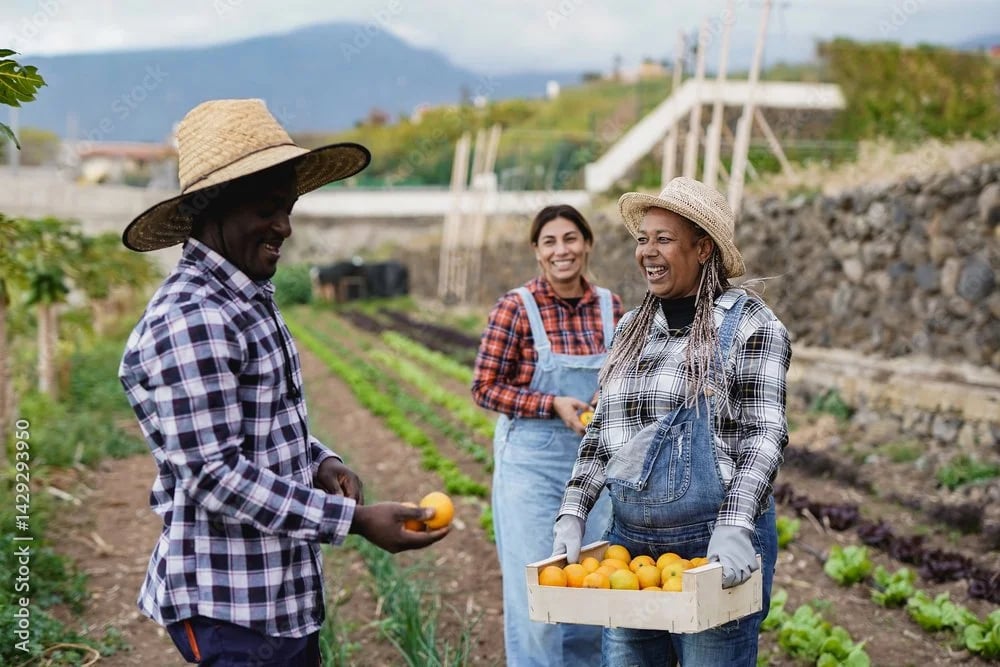
Farmer cooperatives and food system initiatives use the platform to coordinate production planning, training programs, and shared infrastructure across multiple producers and regions. The platform supports workflow coordination while documenting program outcomes and market participation.
 ## **Landscape-scale ecological restoration**
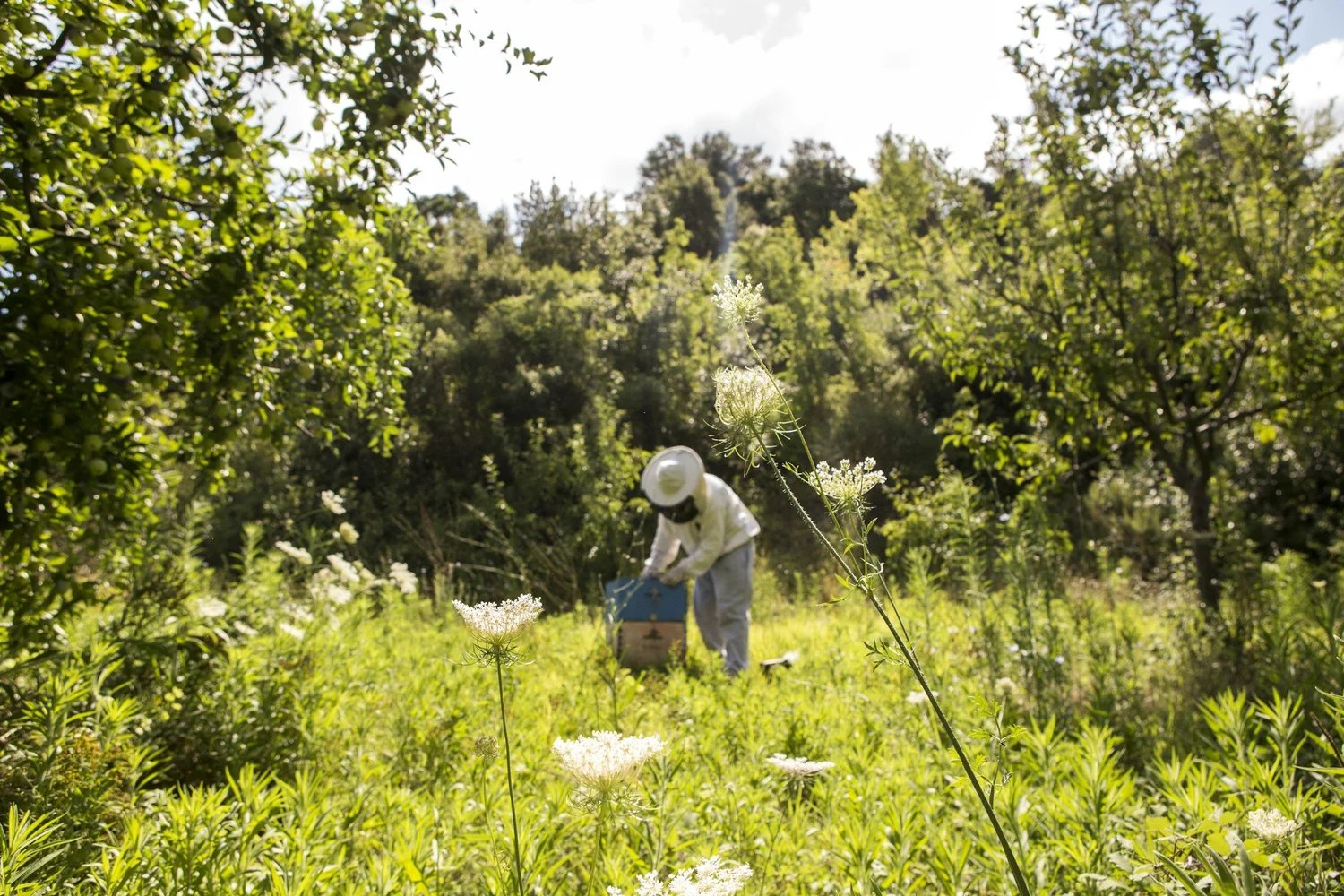
Restoration initiatives operating across multiple project sites use the platform to track activities, collect field data, and document environmental outcomes such as soil health, biodiversity indicators, and ecosystem restoration progress.
## **Landscape-scale ecological restoration**
Restoration initiatives operating across multiple project sites use the platform to track activities, collect field data, and document environmental outcomes such as soil health, biodiversity indicators, and ecosystem restoration progress.
 ## **Community resilience initiatives**
Networks supporting locally led resilience strategies use the platform to coordinate programs, document community-led solutions, and share practices across participating regions.
## **Community resilience initiatives**
Networks supporting locally led resilience strategies use the platform to coordinate programs, document community-led solutions, and share practices across participating regions.
 ## **Distributed learning & training programs**
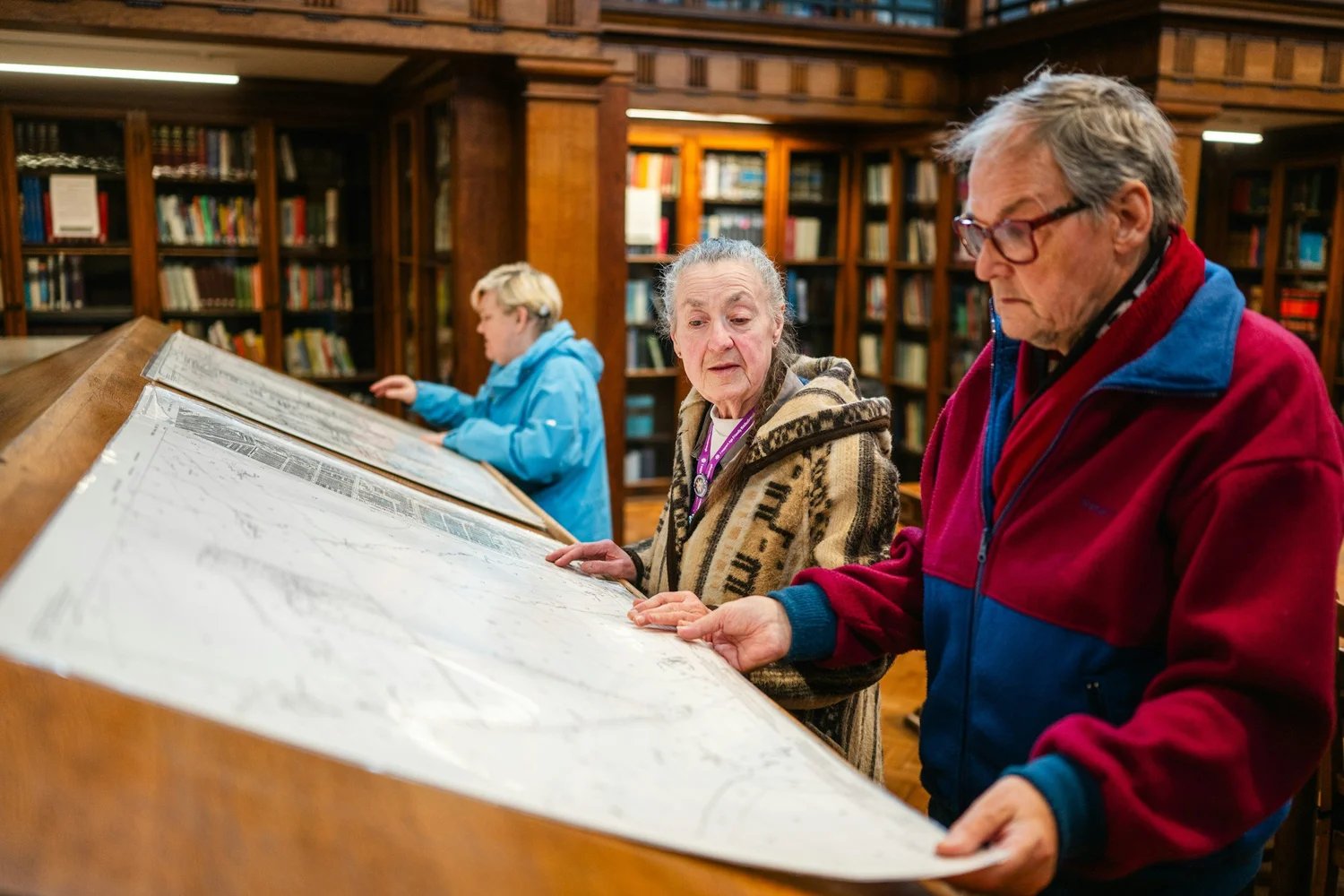
Organizations delivering training, mentorship, or certification programs use the platform to host resources, guide participants through structured workflows, and document participant contributions and outcomes.
## **Distributed learning & training programs**
Organizations delivering training, mentorship, or certification programs use the platform to host resources, guide participants through structured workflows, and document participant contributions and outcomes.